

Older homes often have character that newer construction cannot replicate, but decades of settling, worn seals, and outdated insulation can leave them noticeably drafty. Cold air may enter around doors and windows, yet some of the largest leaks can be hidden in attics and basements. Reducing drafts effectively means finding those pathways rather than simply turning up the heat. Several improvements target common trouble spots while allowing homeowners to preserve much of an older home's existing structure.
1. Replace Worn Weatherstripping Around Doors and Windows
Weatherstripping is designed for components that need to move, including exterior doors and operable windows. In older homes, existing strips may be compressed, brittle, torn, or missing altogether. Replacing them can close small gaps that allow outdoor air to move around a closed sash or door. Caulking and weatherstripping are both recognized as straightforward air-sealing techniques that can improve comfort and reduce unwanted air leakage.
Check exterior doors by looking for visible daylight around the perimeter and inspecting the bottom sweep. Older double-hung and sliding windows deserve particular attention because their moving components can develop leaks as seals wear. The goal is a snug seal that still allows the window or door to operate normally.
2. Caulk Gaps Around Window and Door Frames
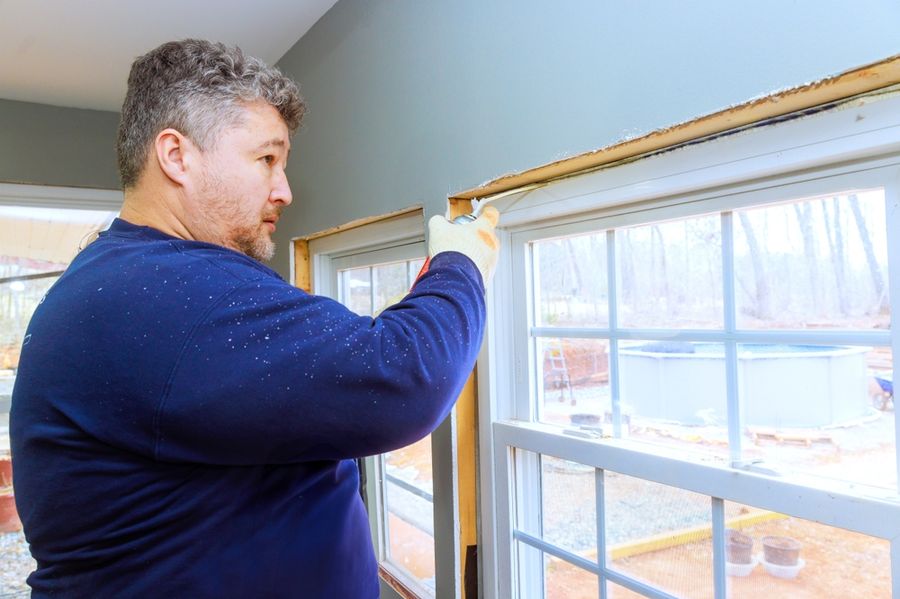
Weatherstripping handles moving joints, but stationary cracks require a different approach. Gaps can develop between window or door frames and the surrounding trim as materials shift over decades. Caulk is generally appropriate for small stationary openings, while larger concealed gaps around a rough opening may require backer rod or low-expansion foam formulated for windows and doors.
Do not assume that replacing an old window is automatically necessary just because air can be felt around it. Sometimes the leak is actually between the window unit and the wall framing rather than through the window itself. Carefully sealing those perimeter gaps can address the airflow while allowing an otherwise serviceable original window to remain.
3. Add Storm Windows or Other Window Attachments
Older single-pane windows can feel especially cold in winter, even after obvious gaps have been sealed. Adding a well-fitted storm window creates another layer between indoor space and outside conditions. Modern storm windows can reduce air infiltration, and lower air-leakage performance is associated with fewer drafts and improved occupant comfort.
Storm windows can be particularly appealing when homeowners want to retain historic wood windows rather than replace them. Simpler seasonal measures, including properly installed plastic window coverings, can also reduce cold-air transfer through windows during winter. The best solution depends on the window's condition, appearance requirements, and whether year-round ventilation is important.
4. Seal Hidden Air Leaks in the Attic
Drafts felt near windows may actually begin somewhere much farther away. Warm indoor air naturally rises and can escape through openings into an attic, encouraging colder outdoor air to enter lower portions of the house. In many homes, some of the most significant leaks are hidden in attic spaces and basements rather than concentrated around doors and windows.
Common attic trouble spots include plumbing and wiring penetrations, open framing cavities, gaps around attic hatches, kneewalls, and dropped soffits. Larger openings should generally be addressed before smaller ones because they can provide substantial pathways for air movement. Older attics can contain materials such as vermiculite that may require professional assessment before insulation is disturbed, so homeowners should consider the condition and history of the space before beginning DIY work.
5. Address Basement and Rim-Joist Leaks
The top of an unfinished basement wall is another common source of drafts. Where the wood framing meets the foundation, gaps around rim joists, sill plates, pipes, wires, and other penetrations can allow outside air into the building. Small gaps can often be sealed with caulk, while appropriately sized larger openings may require expanding foam.
Attic and basement air sealing work particularly well together because they reduce the upward airflow sometimes described as the chimney effect. However, tightening an older home can affect naturally vented furnaces, boilers, and water heaters. Homes with fuel-burning equipment may benefit from professional combustion-safety testing when substantial air sealing is planned.
Make the House Tighter Before Replacing Everything
Reducing drafts in an older home does not necessarily require replacing its windows, doors, or heating system. Start with deteriorated weatherstripping and visible frame gaps, then consider storm windows where existing glass remains uncomfortable.
Just as importantly, investigate the attic and basement for larger hidden pathways that can pull cold air through the house. A targeted air-sealing strategy can preserve older building features while making rooms noticeably more comfortable, and a professional energy assessment can help identify the leaks that are hardest to find.