

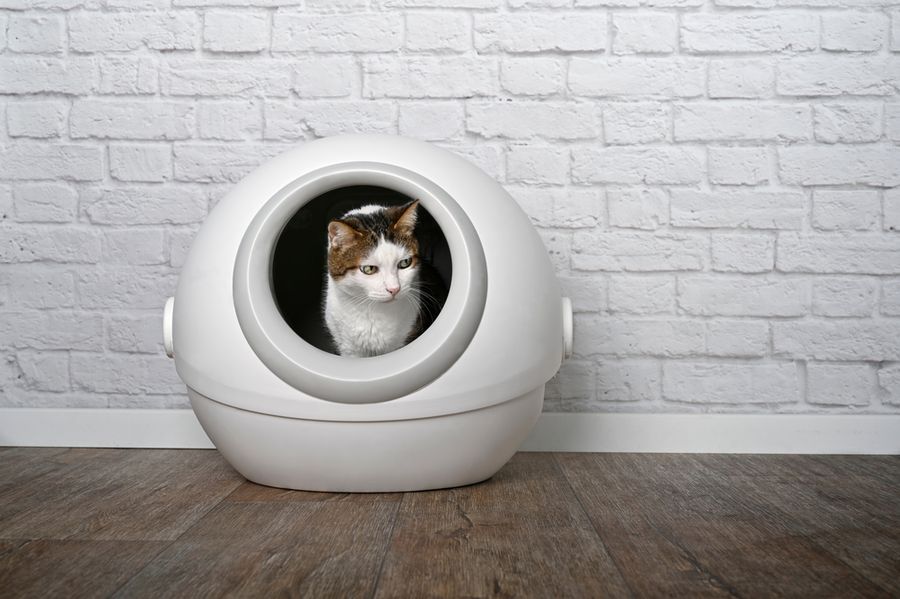
Cleaning a litter box is one of the most repetitive parts of living with a cat. Traditional boxes require frequent scooping, litter replacement, and attention to odors, especially in multi-cat homes. Automatic litter boxes are designed to handle part of that routine by separating waste from usable litter after a cat leaves the box. They do not eliminate maintenance entirely, but they can reduce the amount of hands-on work required from day to day.
Automating the Daily Scooping Routine
Regular litter-box cleaning is important for both cats and their owners. Feline-care guidance recommends removing feces and urine clumps from traditional boxes at least once daily. For households with several cats and multiple boxes, that can become a significant recurring chore.
Automatic models tackle this task mechanically. Some rotate a litter-filled chamber after the cat leaves, allowing clean litter to fall through a screen while clumps drop into a separate waste drawer. Others use a rake that moves across the litter and pushes solid waste into a covered compartment.
This means owners generally deal with accumulated waste periodically instead of reaching for a scoop after every few visits. The exact frequency depends on the machine, litter type, number of cats, and waste-container capacity.
Keeping a Cleaner Litter Bed Between Visits
Automatic cleaning also means waste is removed more consistently throughout the day. In a conventional box, a cat may encounter several accumulated clumps before someone has an opportunity to scoop.
Rotating self-cleaning systems, for example, can wait for litter to clump after a cat exits and then automatically separate those clumps from the remaining clean litter. Rake-style systems can perform a similar function by moving solid waste into a concealed storage area after use.
That regular removal may be particularly convenient in households where everyone is away during working or school hours. Instead of returning home to a box that has gone untouched all day, owners can have a system that performs routine waste removal between visits.
Reducing Some of the Work Associated With Odor
Removing waste quickly can also simplify odor management. Rather than leaving soiled litter exposed until the next manual cleaning, many automatic boxes deposit it in a closed or partially sealed compartment.
Some models combine this setup with carbon filters, enclosed waste drawers, or specialized litter. Others use disposable trays containing crystal litter that absorbs urine while a rake moves solid waste into a covered section.
Automatic cleaning does not make odor control effortless. Waste drawers eventually need emptying, liners need replacement, and litter still needs replenishing. However, owners may spend less time repeatedly scooping and immediately disposing of individual clumps.
Smart Features Can Reduce Guesswork
Some newer automatic litter boxes add sensors and connected apps to the basic cleaning function. Depending on the model, owners may be able to see how frequently the box is being used, receive an alert when the waste drawer is filling, or track a cat’s weight.
For example, connected self-cleaning systems can record visits and weight information and make those trends available through a companion app. These features can reduce another small chore: repeatedly opening or inspecting the unit simply to determine whether maintenance is due.
Usage information can also make changes in litter-box habits easier to notice. It should not be treated as a veterinary diagnosis, however. A meaningful change in urination, defecation, or litter-box behavior can be associated with medical or behavioral problems and warrants appropriate veterinary attention.
Automatic Does Not Mean Maintenance-Free
The biggest misconception about automatic litter boxes may be that they eliminate litter-box chores altogether. Waste still has to leave the machine eventually.
Owners must empty drawers or replace collection trays, add fresh litter, wipe dirty surfaces, and periodically perform a more thorough cleaning. Sensors and moving components may also require attention. Automatic boxes depend on electricity, and connected features may require Wi-Fi.
Cat preference matters just as much as convenience. Many cats prefer large, easily accessible boxes with unscented litter, and older cats or those with mobility problems may need lower entry points. A sophisticated automatic box provides little benefit if a particular cat refuses to use it comfortably.
Owners should therefore consider entrance height, interior space, operating noise, compatible litter, cleaning requirements, and the manufacturer’s age or weight guidance before choosing a system.
Make Litter Care Less Repetitive, Not Invisible
Automatic litter boxes are most useful when viewed as chore reducers rather than chore eliminators. Their main advantage is taking over the repetitive process of separating fresh litter from waste throughout the day.
Waste disposal, refilling, cleaning, and observation still belong to the owner. For households comfortable with those tradeoffs, automation can transform litter care from a task that demands attention every day into a smaller set of periodic maintenance jobs.