

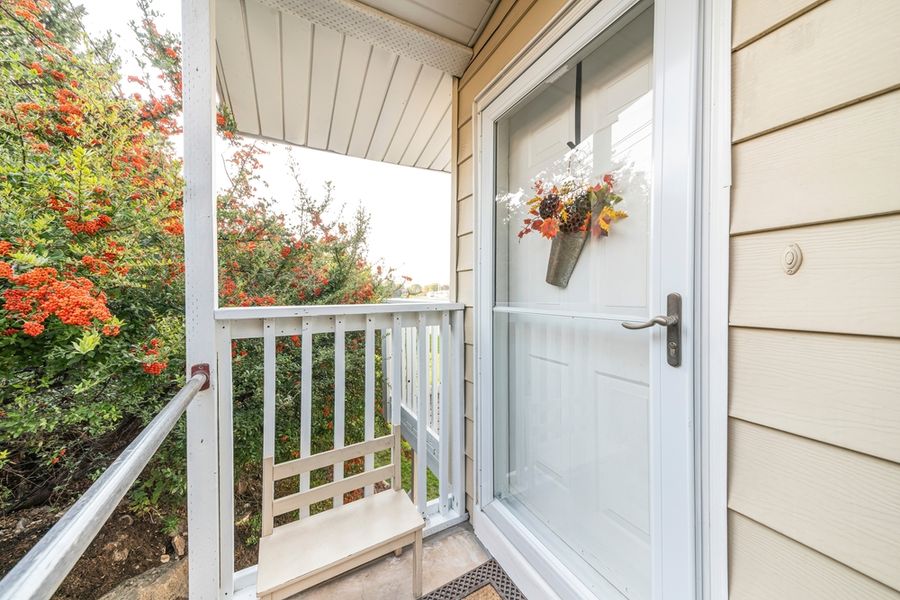
A cold draft near an exterior door can make an otherwise comfortable room feel noticeably colder, especially during winter. Adding a storm door may help by creating another barrier between the main entry door and outdoor air, but it is not a universal fix for every leaky doorway. Whether one makes a meaningful difference depends on the condition of the existing door, installation quality, weatherstripping, exposure to wind and sun, and where the air leakage is actually occurring.
How a Storm Door Can Reduce Drafts
A storm door sits outside the primary exterior door, creating an additional layer between indoor living space and outdoor conditions. That second barrier can reduce the amount of wind reaching gaps around the main door and create an insulating pocket of air between the two doors.
Laboratory testing of current storm doors has found meaningful differences in their ability to block drafts. In testing that exposed doors to a steady 25 mph wind, better-performing models allowed less air to pass through their seals. This confirms that a properly fitted storm door can provide a useful buffer against everyday air leakage.
The effect may be particularly noticeable with older wood doors or entrances exposed directly to prevailing winds. A storm door can also protect the primary door from rain, snow, and repeated weather exposure.
Fix Leaks in the Main Door First
A storm door should not become a substitute for repairing an obviously leaky primary door. Exterior doors can lose air because of worn weatherstripping, gaps along the jamb, an inadequate threshold, or an opening beneath the door.
Air sealing is one of the more direct ways to address those problems. Caulk is generally appropriate for stationary gaps around frames, while weatherstripping seals moving components such as doors. Door sweeps can address leakage along the bottom edge.
If you can feel air entering around the edges of the closed primary door, inspect those areas before investing in another door. Replacing compressed weatherstripping or adjusting a poorly fitting sweep may solve much of the problem with fewer materials and less installation work.
A storm door can then function as a second line of defense rather than attempting to compensate for defects that remain behind it.
Do Not Expect One Door to Solve Whole-House Drafts
Feeling cold air near the front entrance does not necessarily mean the doorway is the largest source of leakage in the house. Homes can also leak substantial amounts of air through attic penetrations, basement rim joists, plumbing openings, recessed lights, windows, and other gaps.
In fact, some of the most significant leaks are often hidden in attics and basements rather than located around windows and doors.
If several rooms feel drafty or heating and cooling problems occur throughout the house, a broader air-sealing assessment may be more useful than focusing solely on the entryway. A professional energy assessment, blower-door test, or careful DIY inspection can help identify where uncontrolled air movement is actually occurring.
Fit and Weatherstripping Matter
Even a well-designed storm door will perform poorly if substantial gaps remain around its perimeter. Accurate measurements and proper installation are therefore central to draft reduction.
Look closely at the weatherstripping along the sides and top of the storm door and at the sweep along its bottom. The sweep should make appropriate contact with the threshold without dragging so heavily that the door cannot close correctly.
The closer also needs to pull the door completely shut. A storm door that routinely remains slightly ajar offers little protection against wind. Hinges, latches, and frame alignment should allow the door to close squarely against its seals.
Current testing also shows that storm doors differ considerably in wind resistance, so the existence of a second door alone does not guarantee a tight seal.
Consider Sun Exposure Before Adding Full Glass
Reducing drafts is only one consideration. A storm door can also create an enclosed space that becomes extremely hot when strong sunlight passes through the glass.
This can be a concern on south- or west-facing entrances. Guidance for older homes cautions that a tightly sealed storm door exposed to substantial southern sun can trap enough solar heat to contribute to warping or paint damage on the main door.
Homeowners with heavily sun-exposed entrances should check the primary door manufacturer's recommendations before installing a full-glass storm door. Ventilating storm doors, screens, or other configurations may be more suitable depending on the entry.
Know What Else a Storm Door Can Offer
Draft reduction may not be the only reason to install one. Storm doors can shield an entry door from ordinary rain and snow, provide ventilation when equipped with screens, and allow homeowners to open the main door while maintaining an additional barrier at the entrance.
They should not, however, be confused with hurricane or severe-storm protection. Most conventional storm doors are intended for everyday weather rather than extreme wind events.
That distinction matters when evaluating whether the product solves the problem you actually have.
Address the Draft, Not Just the Door
A storm door can reduce drafts when it fits tightly and adds a useful second barrier in front of an older, exposed, or moderately leaky entry. It works best as part of a broader approach rather than as a cure for damaged weatherstripping, large frame gaps, or whole-house air leakage.
Inspect the primary door first, seal obvious openings, consider the entrance's sun and wind exposure, and then decide whether a storm door adds enough protection to make the entry more comfortable.